Commercial facilities in Perth need scheduled hygiene cleaning to control cross-contamination and meet compliance standards. High-traffic environments carry elevated bacterial load on shared surfaces that in-house cleaning can’t adequately address. A poorly cleaned facility can breach state health codes and create liability risks that cost far more than the service itself.
Table of Contents
ToggleAccording to Spiffy Commercial Cleaning, Commercial Cleaning in Melbourne is “built around hygiene outcomes, not just surface appearances because the facilities that stay compliant are the ones with cleaning schedules that match their actual traffic and risk levels.”
What Does Hygiene Cleaning Cover in a Commercial Facility?
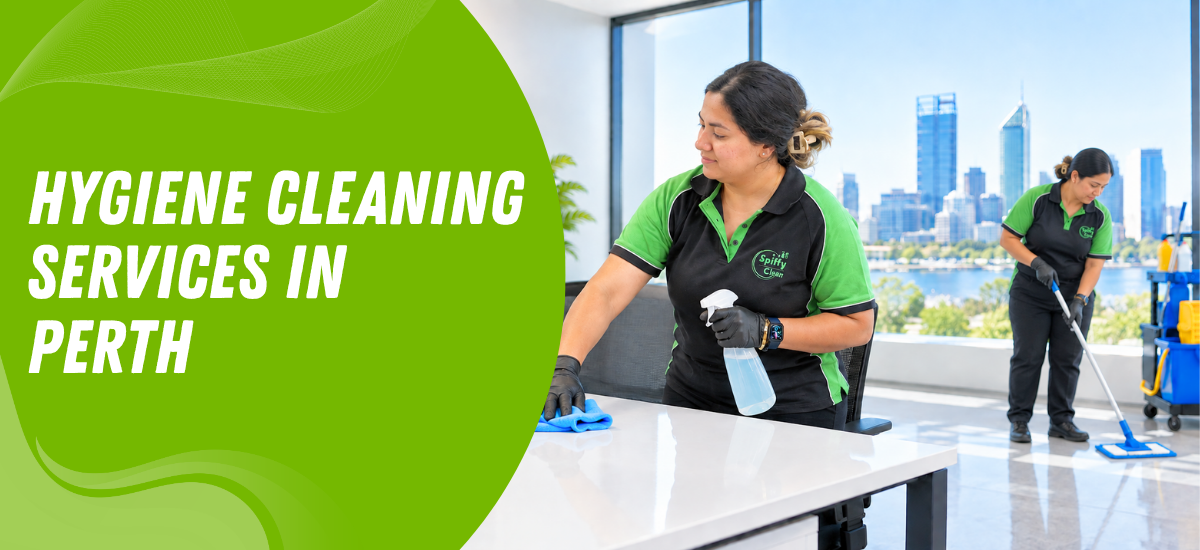
Professional hygiene cleaning in Perth goes beyond mopping floors it targets bacterial hotspots, air quality, and waste management across every zone of a facility.
- Touch Points: Door handles, lift buttons, shared equipment, and reception counters harbour the highest bacterial transfer rates in any building, so disinfection of these areas needs to happen at least once per shift, not once per day.
- Washroom Sanitation: A commercial washroom that isn’t serviced with the right dilution ratios and dwell times for disinfectants remains a vector for infection regardless of how often it’s wiped down the chemistry of the product matters as much as the frequency.
- Waste Protocols: Clinical and organic waste in healthcare or food-adjacent facilities needs sealed removal and compliant disposal procedures, which aren’t part of a standard janitorial scope.
- Air and Surface Alignment: Cleaning only hard surfaces while ignoring HVAC vents and soft furnishings means allergens and airborne pathogens recirculate effective hygiene cleaning treats both together.
Facilities that get this right see measurable drops in staff sick days and fewer compliance issues during council or WorkSafe inspections. Healthcare and Medical Centre Cleaning Services in Melbourne
Which Perth Commercial Facilities Need Scheduled Hygiene Cleaning?
Not every building carries the same hygiene risk, but most commercial facilities in Perth fall into categories where a reactive approach to cleaning is a serious liability.
- Aged Care Facilities: Residents in aged care have suppressed immune systems and share communal dining, bathroom, and recreation spaces daily, which means the margin for error in cleaning protocols is essentially zero.
- Schools and Childcare: Children touch everything and rarely wash their hands consistently, so schools need a hygiene cleaning scope that includes desks, door frames, bathroom fixtures, and play equipment on a scheduled daily rotation.
- Body Corporate Buildings: Shared lobbies, car parks, lifts, and bin rooms in strata buildings accumulate grime quickly, and body corporate managers are legally accountable for maintaining safe common areas under WA strata legislation.
- Offices and Commercial Spaces: Open-plan offices with hot-desking generate higher cross-contamination risk than most facility managers account for one sick employee at a shared workstation can spread illness to twelve others within 48 hours.
Getting the cleaning frequency and product selection right for each facility type is what separates quality commercial cleaning from basic cleaning, and hygiene outcomes depend entirely on getting that distinction right.
Why Choose Spiffy Clean?
Jack Sidhu, director at Spiffy Clean, has built a reputation across Melbourne and Perth for hygiene-first commercial cleaning that’s structured around compliance requirements, not generic service packages. About Spiffy Commercial Cleaning their team is trained across healthcare, aged care, education, and body corporate environments, using industry-grade disinfectants and documented cleaning schedules that hold up to third-party audits.
Facilities that switch to a structured hygiene cleaning programme consistently report fewer staff absences, cleaner inspection results, and building occupants who actually notice the difference.
Is your facility’s current cleaning routine actually reducing cross-contamination risk?
FAQ
It’s a structured disinfection programme targeting bacterial hotspots, washrooms, and high-touch surfaces.
Most facilities need daily hygiene cleaning; healthcare and aged care require multiple service rounds daily.
Yes, it uses clinical-grade disinfectants, defined dwell times, and documented compliance checklists.
Certain sectors including healthcare, food service, and aged care must meet regulated hygiene standards under Australian law.