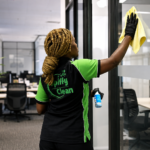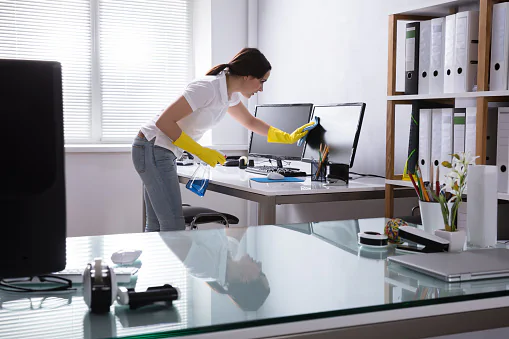

Commercial cleaning for suburban schools, medical practices, and professional offices isn’t one service. Each premises type carries its own contamination risk, its own compliance rules, and its own schedule. Schools need child-safe products and intraday bathroom checks. Medical practices need TGA-listed disinfectants and documented records. Offices need reliable daily servicing and proper touch-point disinfection. But one generic contract rarely covers all three. So the first job is matching scope to premises.
Table of Contents
ToggleAccording to Spiffy Clean, a provider of commercial cleaning services in Melbourne, a school, a clinic, and an office can’t share one cleaning scope because each carries a completely different hygiene and compliance risk.”
What Do Schools and Medical Practices Need From a Commercial Cleaner?
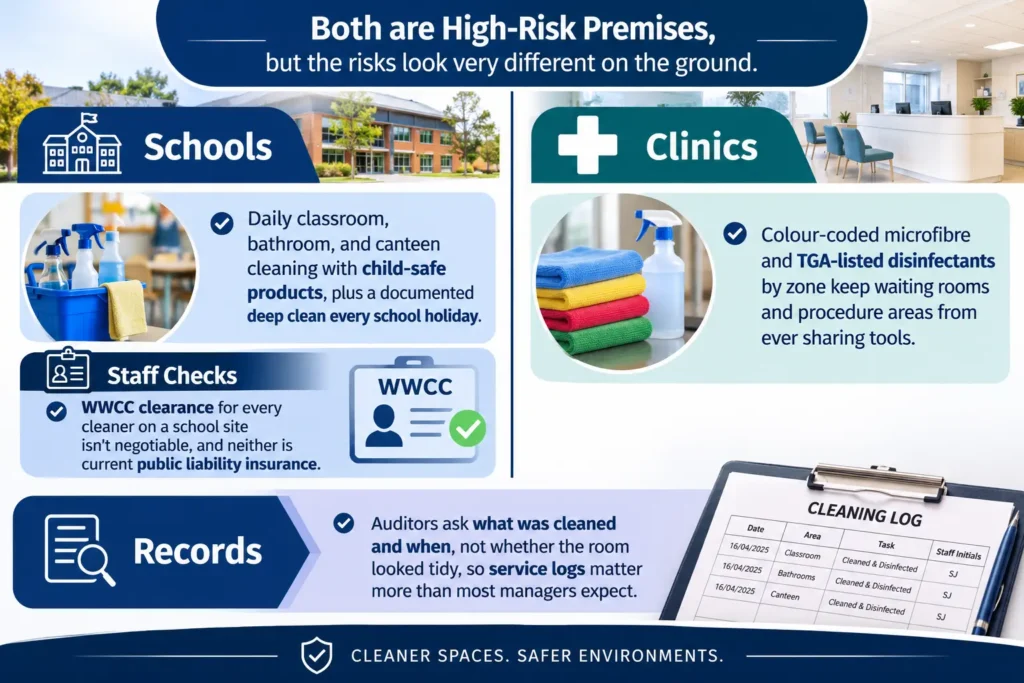
Skip any of that and the risk lands on the facility. It’s why school cleaning services in Melbourne start with a written scope.
What Should Professional Offices Expect From a Commercial Cleaning Provider?
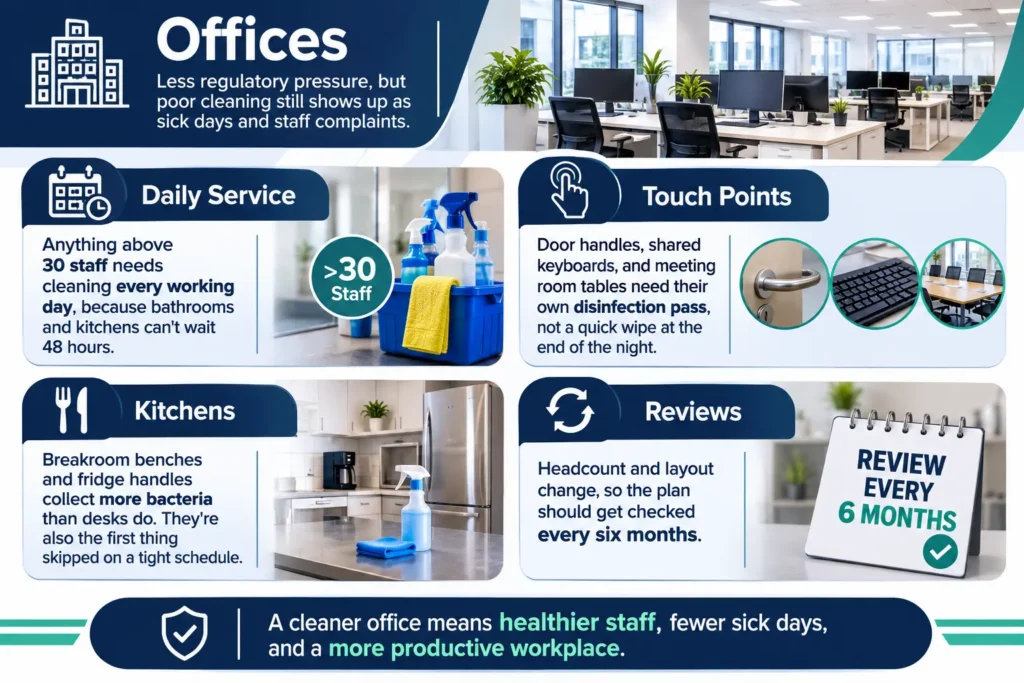
Good office cleaning isn’t complicated. It’s just consistent, and what separates quality commercial cleaning from basic cleaning usually comes down to the follow-through.
Why Choose Spiffy Clean?
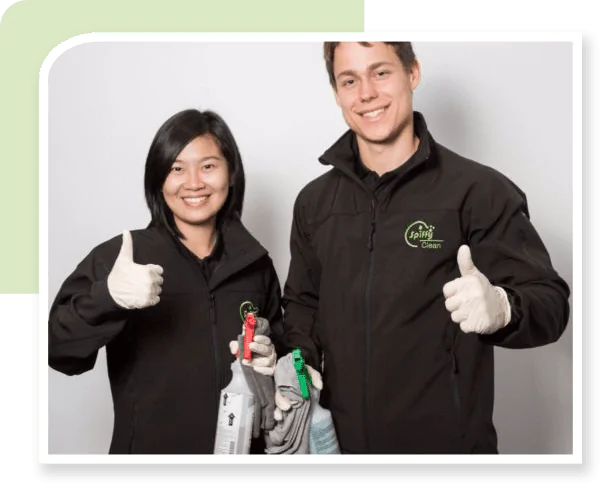
Jack Sidhu, director at Spiffy Commercial Cleaning services schools, medical practices, and professional offices across Melbourne, Sydney, and Perth. Every site gets a written scope covering each zone, product, and task frequency. Staff are insured and trained for the premises they work in, and products are matched to the risk, from child-safe options in classrooms to TGA-listed disinfectants in clinics.
Schools get audit-ready records, clinics get zone-separated equipment, and offices get their kitchens and touch points done every visit. If something’s missed, there’s one number to call, and it gets fixed.
Is your current cleaning schedule actually built for the way your premises runs?
FAQ
Daily, with a documented deep clean in every school holiday period.
TGA-listed disinfectants, zone-based equipment, and documented service records for audits.
Offices above 30 staff do; smaller offices can run two or three visits weekly.
Missed tasks, inconsistent standards, and slow responses to complaints are the clearest signs.