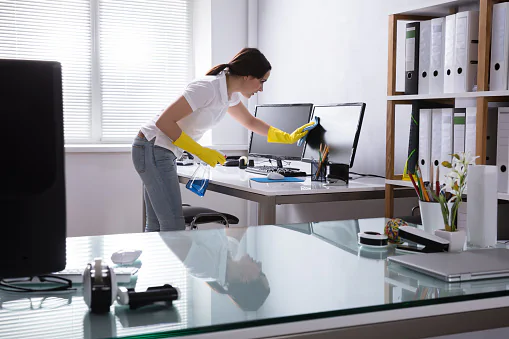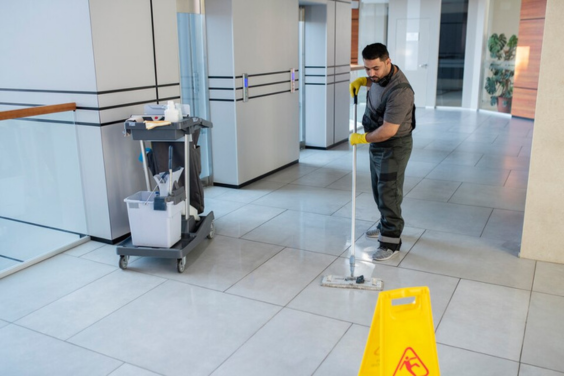
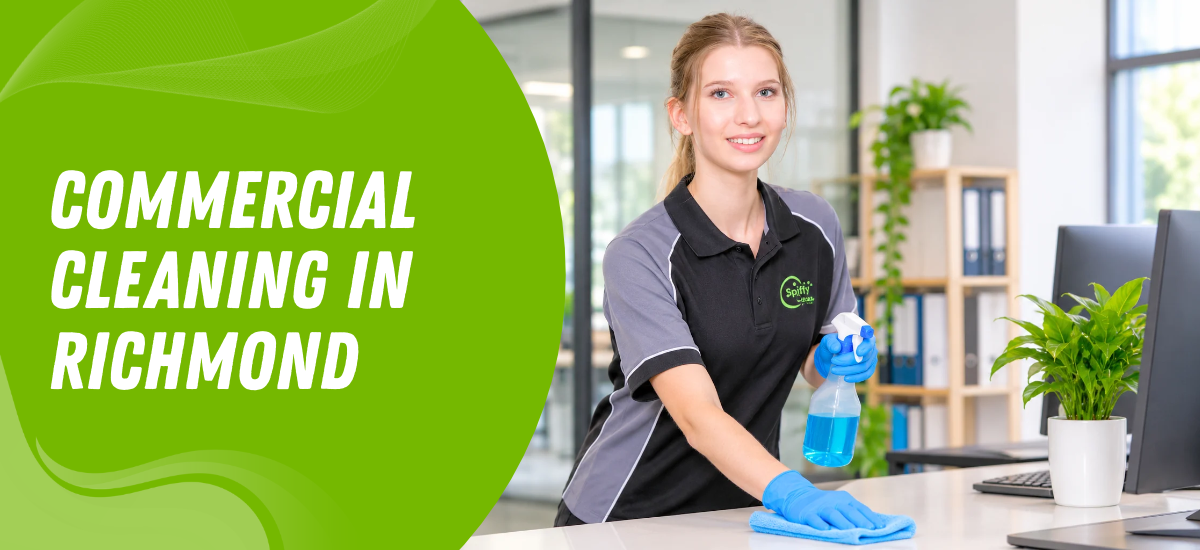
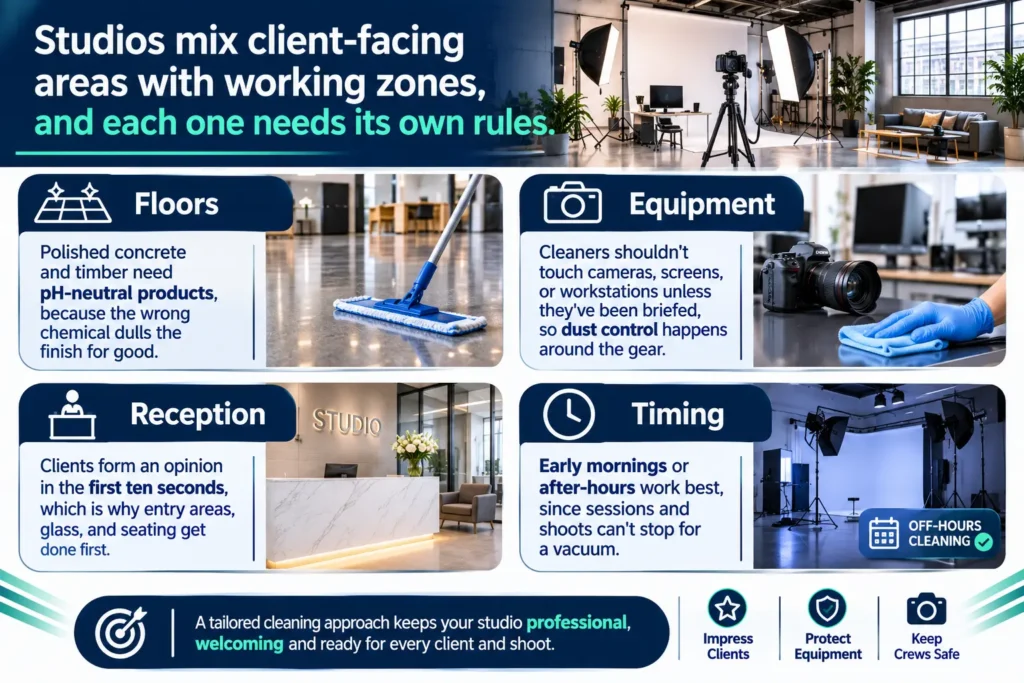
Office and studio cleaning covers daily surface care, bathroom and kitchen sanitation, floor maintenance, and touch-point disinfection, adjusted to how each space is actually used. Offices run on desks, meeting rooms, and shared kitchens. Studios add equipment, delicate floors, and clients walking in off the street. So the plan can’t be the same. A converted warehouse with polished concrete needs a different approach from a carpeted open-plan floor. And both need a provider who works around trading hours.
Table of Contents
ToggleAccording to Spiffy Clean, a provider of commercial cleaning services in Melbourne, “a studio isn’t an office with fewer desks, so the scope, products, and timing all need to be set around the space itself.”
What Does Regular Office Cleaning Actually Cover?
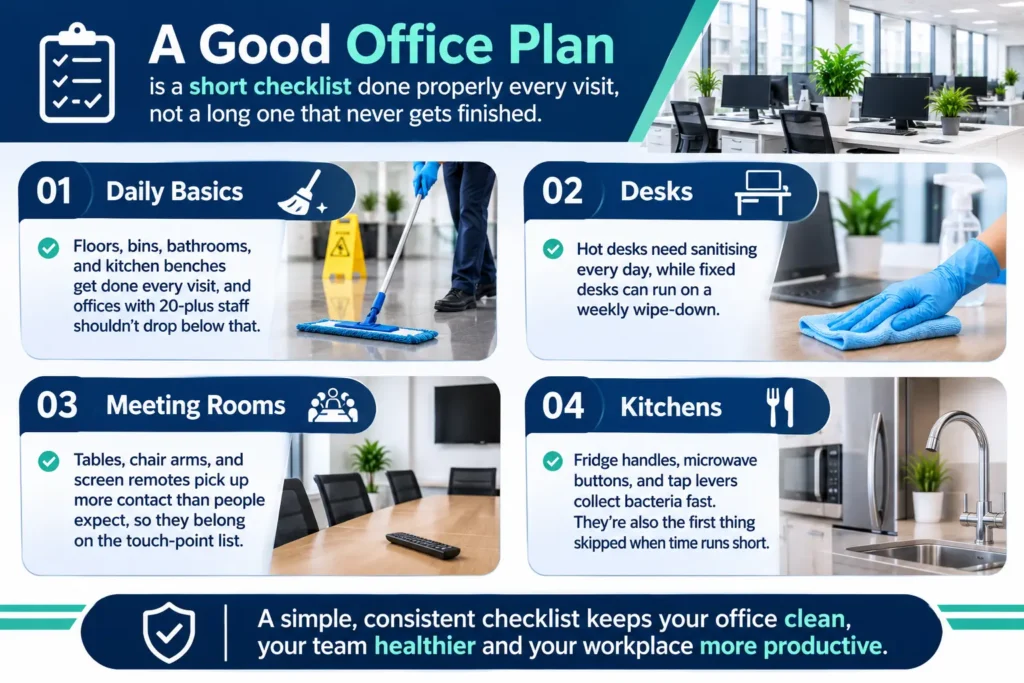
Tight scope, finished every time. That’s the standard behind the best office cleaning in Melbourne.
What Do Studios and Creative Spaces Need Differently?
Most studios get this wrong by hiring a generic cleaner. The gap shows up first in hygiene, which is where hygiene cleaning services cover the touch points a basic clean skips.
Why Choose Spiffy Clean?
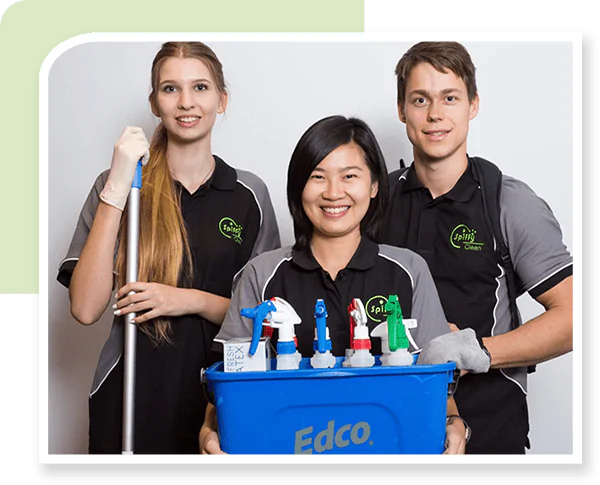
Jack Sidhu, director at Spiffy Commercial Cleaning offices and creative studios across Melbourne with a written scope that names every zone, product, and task frequency. Staff are insured and briefed on each site before the first shift, so they know which floors need pH-neutral products and which equipment stays untouched. Cleaning runs around your trading hours, early mornings or after hours, so sessions, shoots, and client meetings never stop for a vacuum.
Clients get consistent staff on their site, finished checklists, and one number to call when something’s missed. Kitchens and touch points get done every visit, reception areas are cleaned first, and the scope gets reviewed when headcount or layout changes. No chasing, no excuses.
Is your cleaning plan built around how your space actually works?
FAQ
Daily for offices above 20 staff; smaller offices can run two or three visits weekly.
Floor-specific products, equipment-safe dusting, and after-hours scheduling around sessions and shoots.
Yes, shared desks should be sanitised every working day to limit cross-contamination.
Provide a written scope marking no-touch zones and agree on dust-control methods upfront.